Your Home Is Winterized — Now What?
Smart Mid-Winter Maintenance Every Homeowner Should Do
If you followed the steps to winterize your home earlier this season — great job. That proactive work goes a long way toward preventing frozen pipes, heat loss, and unexpected repairs.
But winterizing isn’t a “set it and forget it” task.
Mid-winter is actually when small issues tend to show up, making this the perfect time to check in on your home and make sure everything is still working as intended. Here’s what homeowners should focus on after winterization is already done.
Keep Tabs on Your Heating System
Your heating system has likely been working nonstop for weeks. Even if everything feels fine, a quick check can prevent breakdowns during the coldest stretch of the season.
Replace or clean HVAC filters (typically every 1–3 months)
Make sure vents and returns aren’t blocked by furniture or rugs
Pay attention to unusual sounds, odors, or uneven heating between rooms
A well-maintained system runs more efficiently and helps keep utility costs in check.
Watch for Drafts and Heat Loss
Cold weather is the best time to spot inefficiencies you might not notice the rest of the year.
Check around windows and doors for cold air leaks
Re-secure weather stripping or temporary seals if they’ve loosened
Open blinds or curtains on sunny days to take advantage of natural warmth
If certain rooms consistently feel colder, that’s useful insight to note for future insulation or window upgrades.

Manage Indoor Moisture
Winter brings sealed windows and steady heat — which can trap moisture inside your home.
Look for condensation on windows, especially in the mornings
Use bathroom and kitchen fans regularly
Check under sinks, around toilets, and in basements for signs of moisture or slow leaks
Balanced humidity helps protect finishes, prevents mold growth, and keeps your home more comfortable.
Keep an Eye on the Roof and Exterior (From the Ground)
You don’t need to climb a ladder to stay aware of winter wear.
Watch for uneven snow melt or ice buildup along roof edges
Clear snow away from foundation vents and exterior exhausts
Make sure outdoor faucets and hose bibs remain covered
Changes you notice now can help catch issues early — before spring thaw reveals damage.
Don’t Skip Safety Checks
With heaters, fireplaces, and appliances running regularly, safety devices are especially important this time of year.
Test smoke and carbon monoxide detectors
Replace batteries if you haven’t already this season
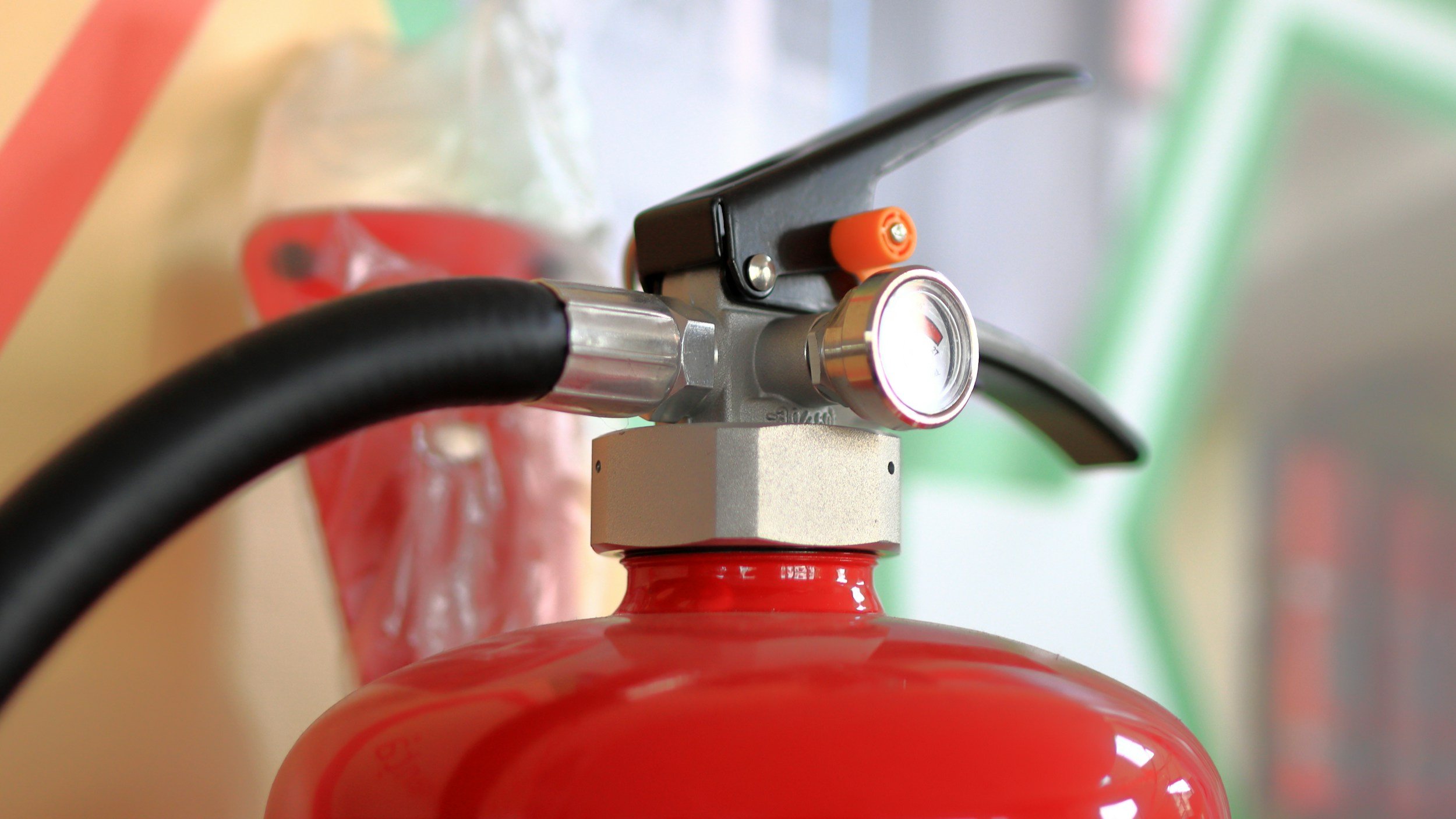
Confirm fire extinguishers are accessible and fully charged
These quick checks take minutes and offer peace of mind all winter long.
Check on Winterized Plumbing
Even properly winterized homes benefit from occasional monitoring.
Inspect exposed pipes in garages, crawlspaces, or utility rooms
Keep cabinet doors open under sinks during extreme cold
Maintain a consistent indoor temperature — even if you’re traveling
This helps prevent surprises during sudden cold snaps.
Use Winter as a Planning Tool
Winter often reveals things homeowners don’t notice during warmer months.
Make a list of repairs or upgrades to address in spring
Schedule HVAC servicing early before busy seasons begin
Review homeowners insurance coverage annually
Taking notes now makes future maintenance more efficient — and often more affordable.
Final Thought
Winter preparation doesn’t end once your home is winterized. A few mindful check-ins throughout the season can protect your investment, improve comfort, and prevent costly repairs down the road.
If you ever have questions about maintaining your home, preparing to sell, or planning future improvements, having a knowledgeable local professional on your side makes all the difference.