Winterizing Your Home: A Simple Guide to Staying Warm, Safe & Protected
As temperatures drop and winter settles in, taking a little time to winterize your home can save you money, prevent damage, and keep your space comfortable all season long. Whether you’re a longtime homeowner or preparing your house for its first winter, these simple steps can make a big difference.
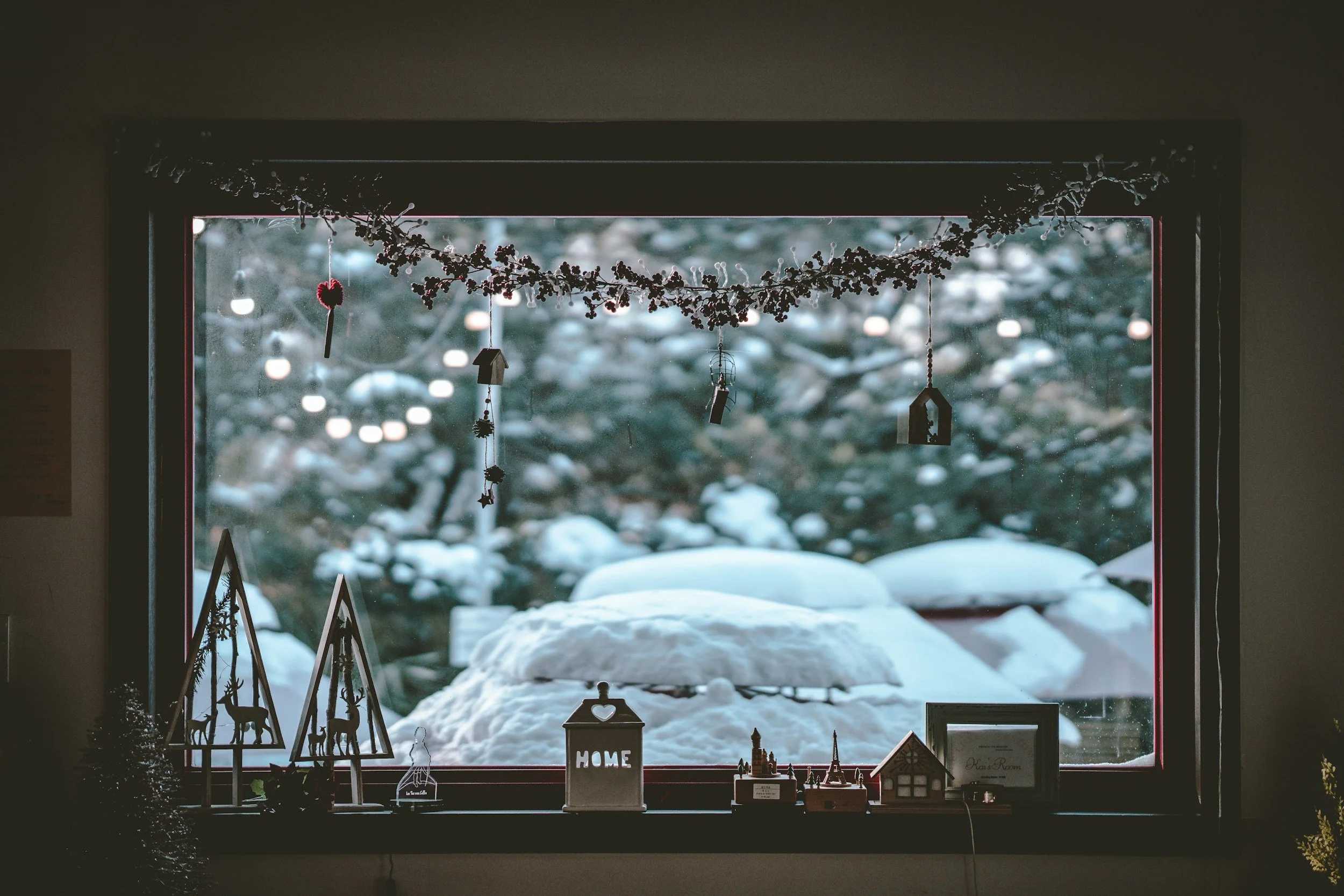
Seal the Warmth In
Cold air sneaks in through small gaps you may not even notice.
Add weatherstripping to doors and windows
Seal cracks with caulk around window frames and siding
Install door sweeps to block drafts
Keeping warm air inside helps reduce heating costs and keeps rooms more comfortable.

Protect Your Pipes
Frozen pipes are one of winter’s most common (and expensive) problems.
Insulate exposed pipes in garages, crawl spaces, and exterior walls
Disconnect and drain outdoor hoses
Shut off and winterize exterior faucets
During extreme cold, letting faucets drip slightly can help prevent freezing.
Service Your Heating System
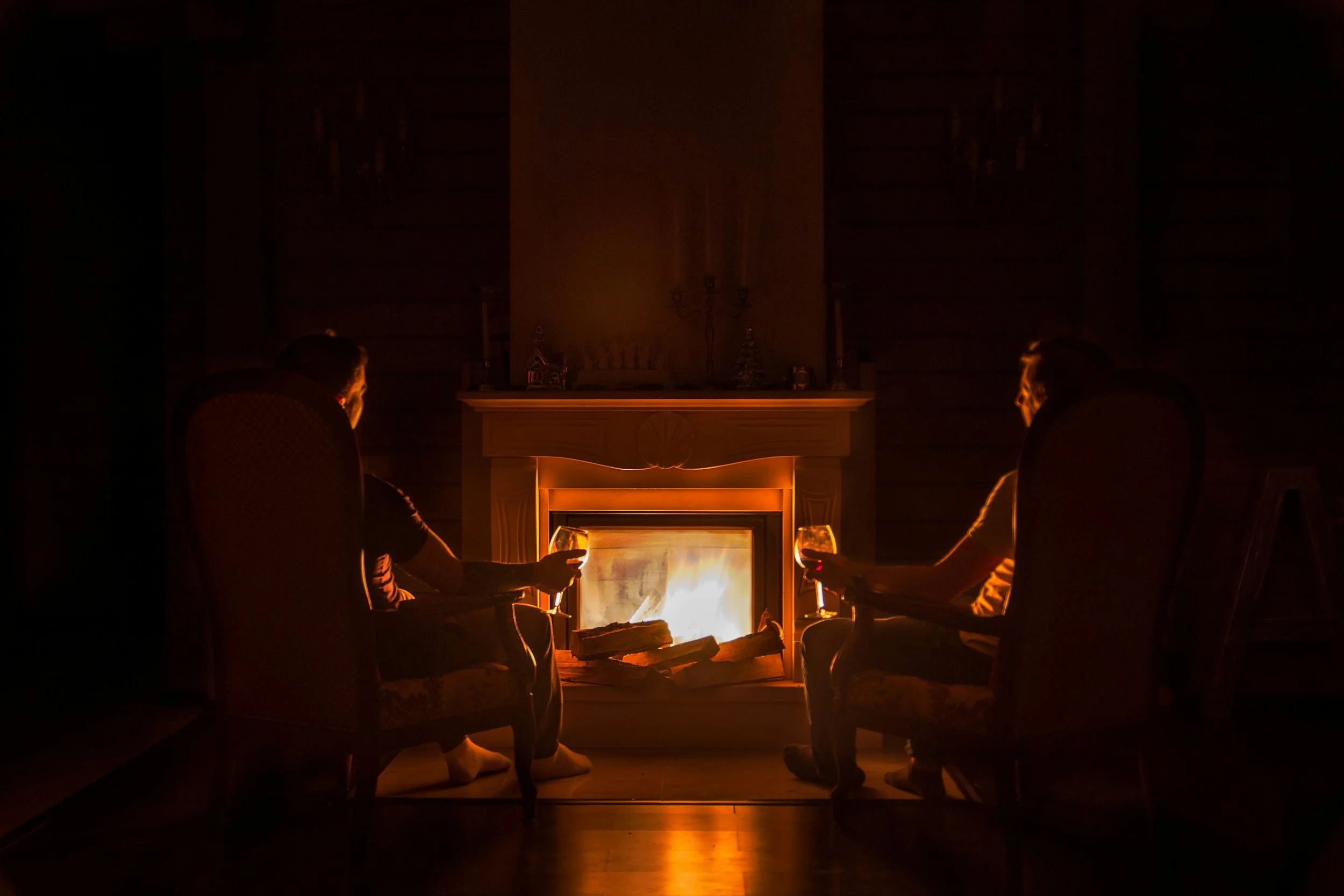
Your furnace works overtime in winter—make sure it’s ready.
Schedule a professional HVAC inspection
Replace furnace filters regularly
Check vents and registers to ensure proper airflow
A well-maintained system runs more efficiently and helps avoid mid-winter breakdowns.
Clean Gutters & Check the Roof
Snow and ice can cause serious damage if water can’t drain properly.
Clear leaves and debris from gutters
Look for loose shingles or flashing
Consider installing heat cables if ice dams are common in your area
Good drainage protects your roof, siding, and foundation.
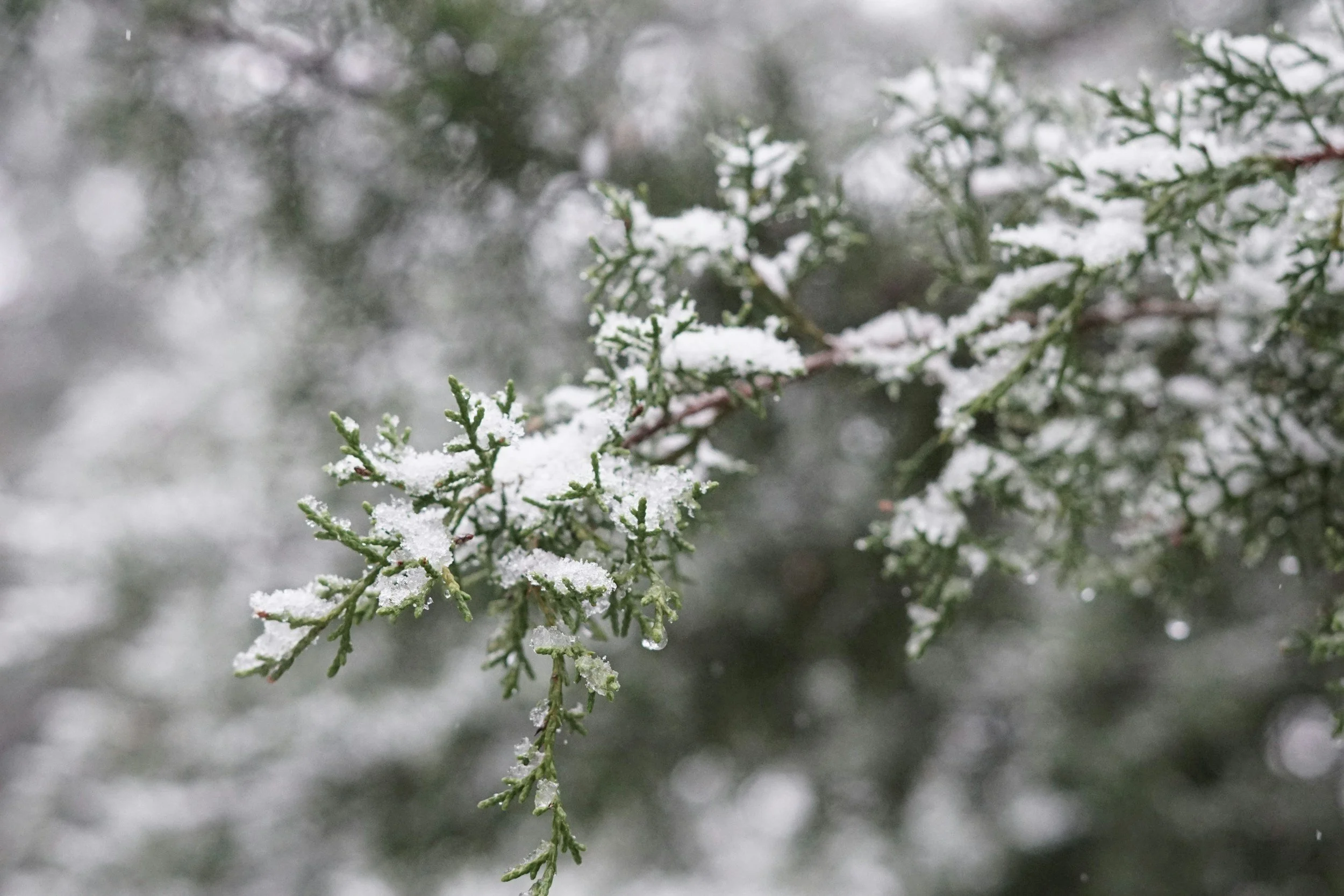
Prepare for Snow & Ice
Being ready before the first storm hits makes winter safer and easier.
Stock up on ice melt, sand, or gravel
Check snow shovels or snow blower condition
Trim tree branches that could break under heavy snow
This helps prevent slips, falls, and unexpected property damage.
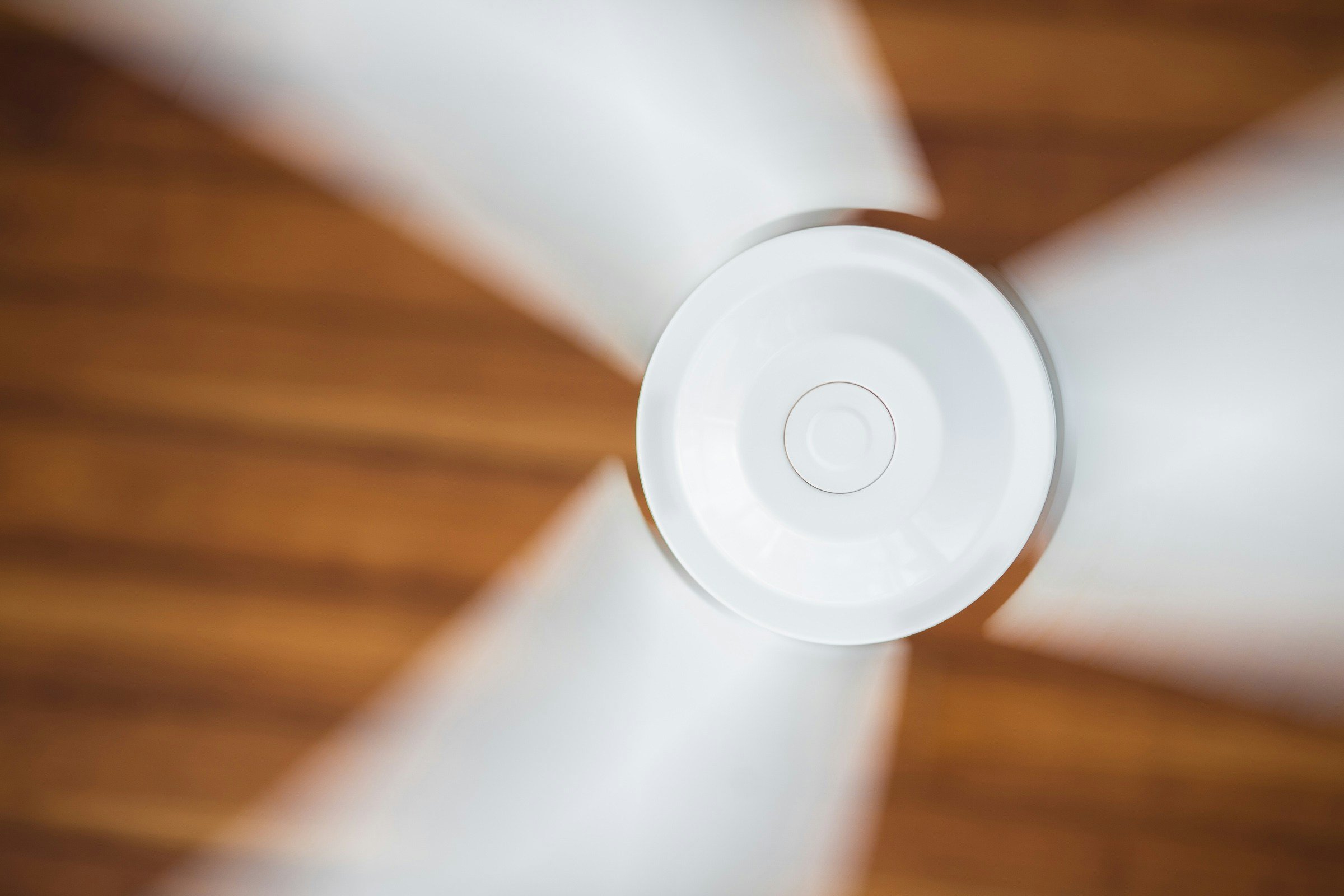
Reverse Ceiling Fans
It’s a small change with a big payoff.
Set ceiling fans to rotate clockwise in winter
This pushes warm air down from the ceiling and improves heat circulation
You may even be able to lower your thermostat slightly without sacrificing comfort.
Safety Check: Don’t Skip This
Winter means more heaters, fireplaces, and closed-up homes.
Test smoke detectors and carbon monoxide alarms
Have fireplaces and chimneys cleaned
Keep space heaters away from flammable materials
Safety checks are quick but incredibly important.
A Little Prep Goes a Long Way
Winterizing your home doesn’t have to be overwhelming. Tackling these tasks early can help you avoid costly repairs, improve energy efficiency, and enjoy a cozy, stress-free winter—no matter how cold it gets outside.
If you’re new to homeownership or thinking about buying or selling during the winter months, having a home that’s well-prepared for the season is a huge advantage.