The Evolution of “Home” Over the Years
For generations, the idea of “home” has been quietly evolving.
Not because walls or roofs changed dramatically, but because the way we live inside them has transformed. Our routines, priorities, and rhythms of life have shifted—and our homes have followed.
Where homes once reflected formality and structure, today they tell a story of flexibility, connection, and everyday living.
When Homes Were Built for Formality
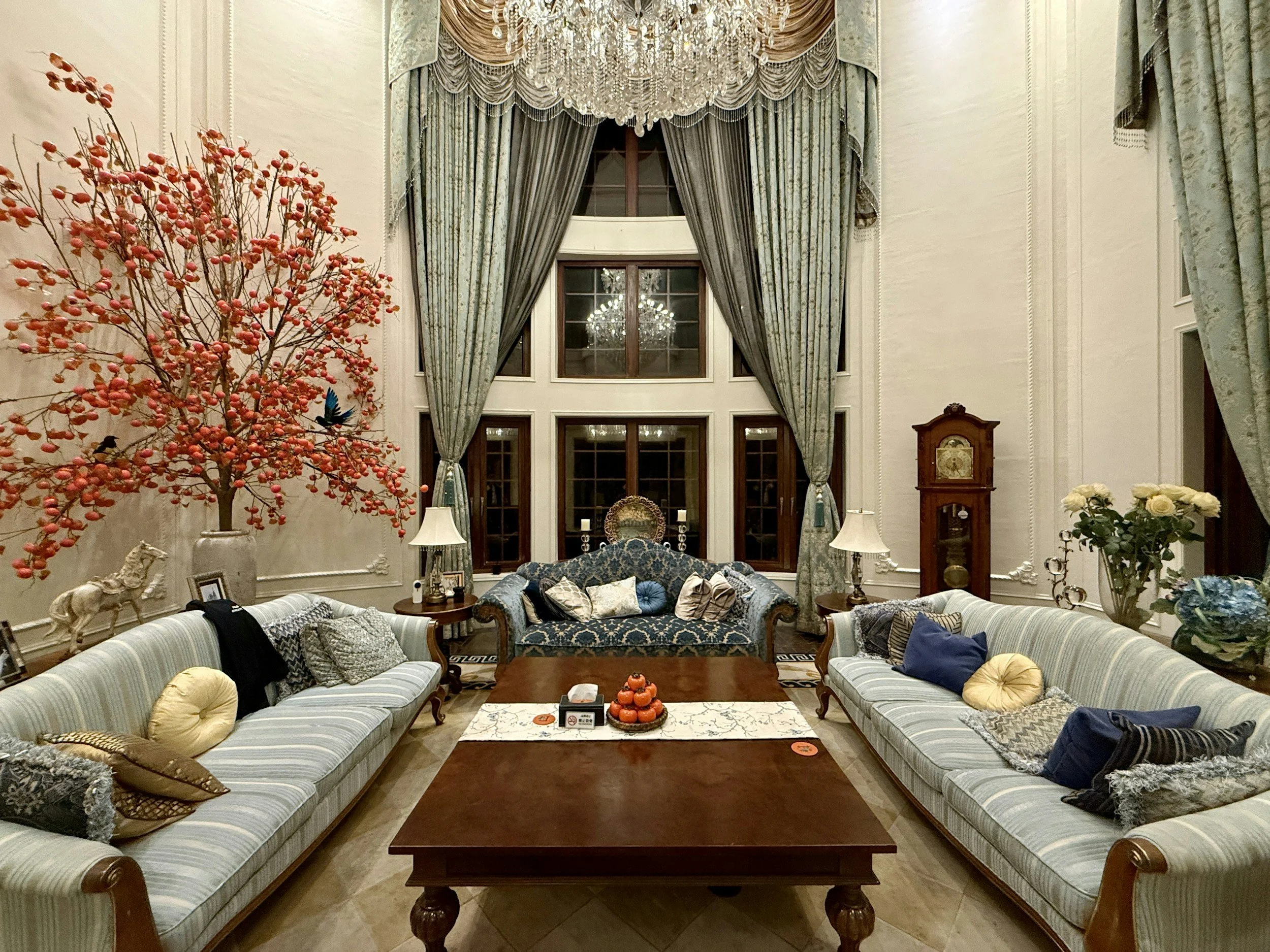
Not long ago, homes were defined by clearly separated spaces.
The living room was often reserved for special occasions. The dining room hosted holidays and formal dinners. Kitchens were tucked away, viewed as workspaces rather than gathering places.
Life had designated rooms, each with a specific purpose.
There was beauty in that structure—polished tables, carefully arranged furniture, rooms that felt almost ceremonial.
But those spaces weren’t always where life actually happened.
The Shift Toward Everyday Living
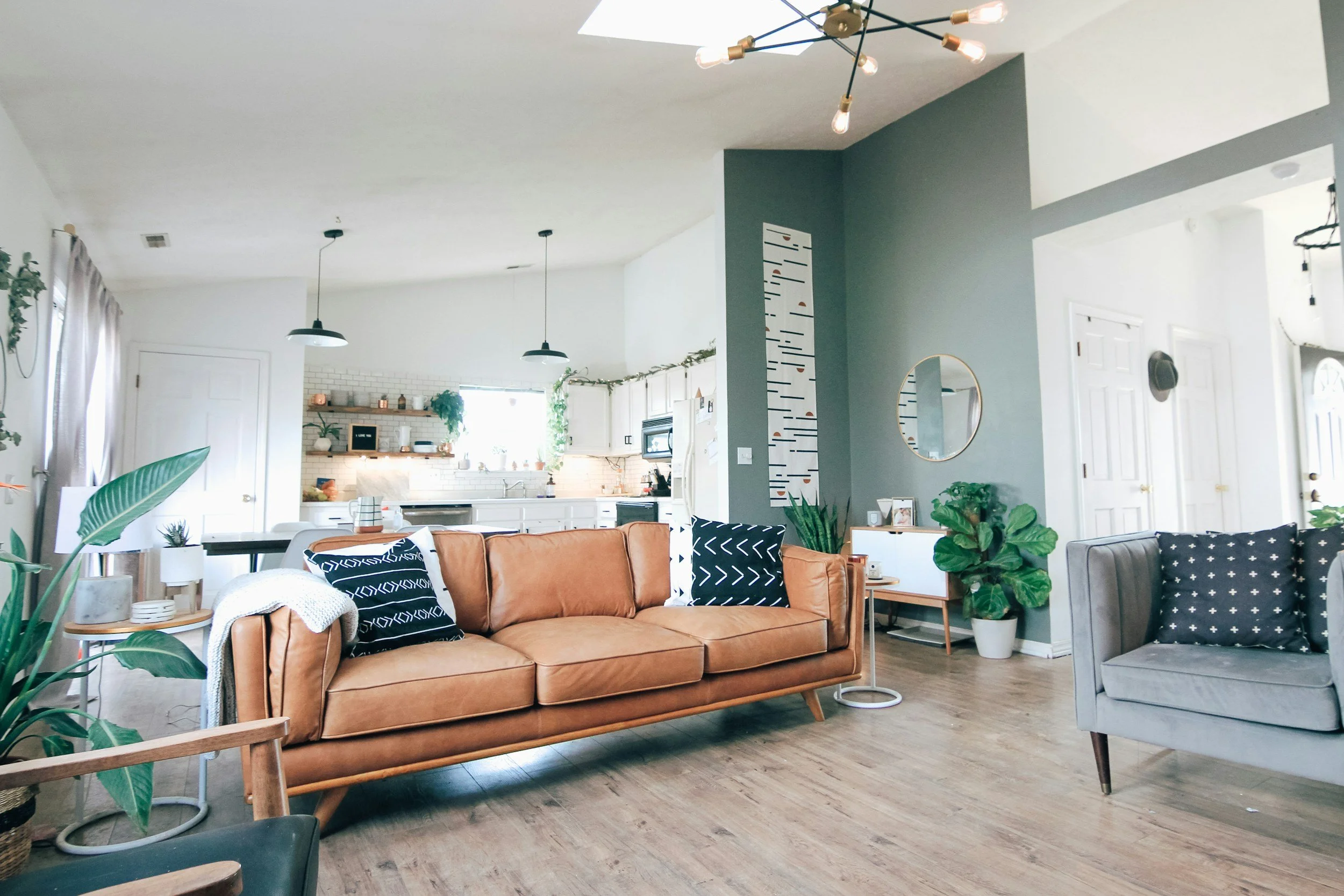
Over time, the idea of home softened.
Walls came down. Kitchens opened up. Living spaces began flowing together instead of standing apart.
Suddenly, the heart of the home became exactly that—the heart.
Meals became conversations. Cooking became entertainment. Guests gathered around kitchen islands instead of waiting in another room.
The modern home began prioritizing togetherness over tradition.
Spaces That Adapt to Life
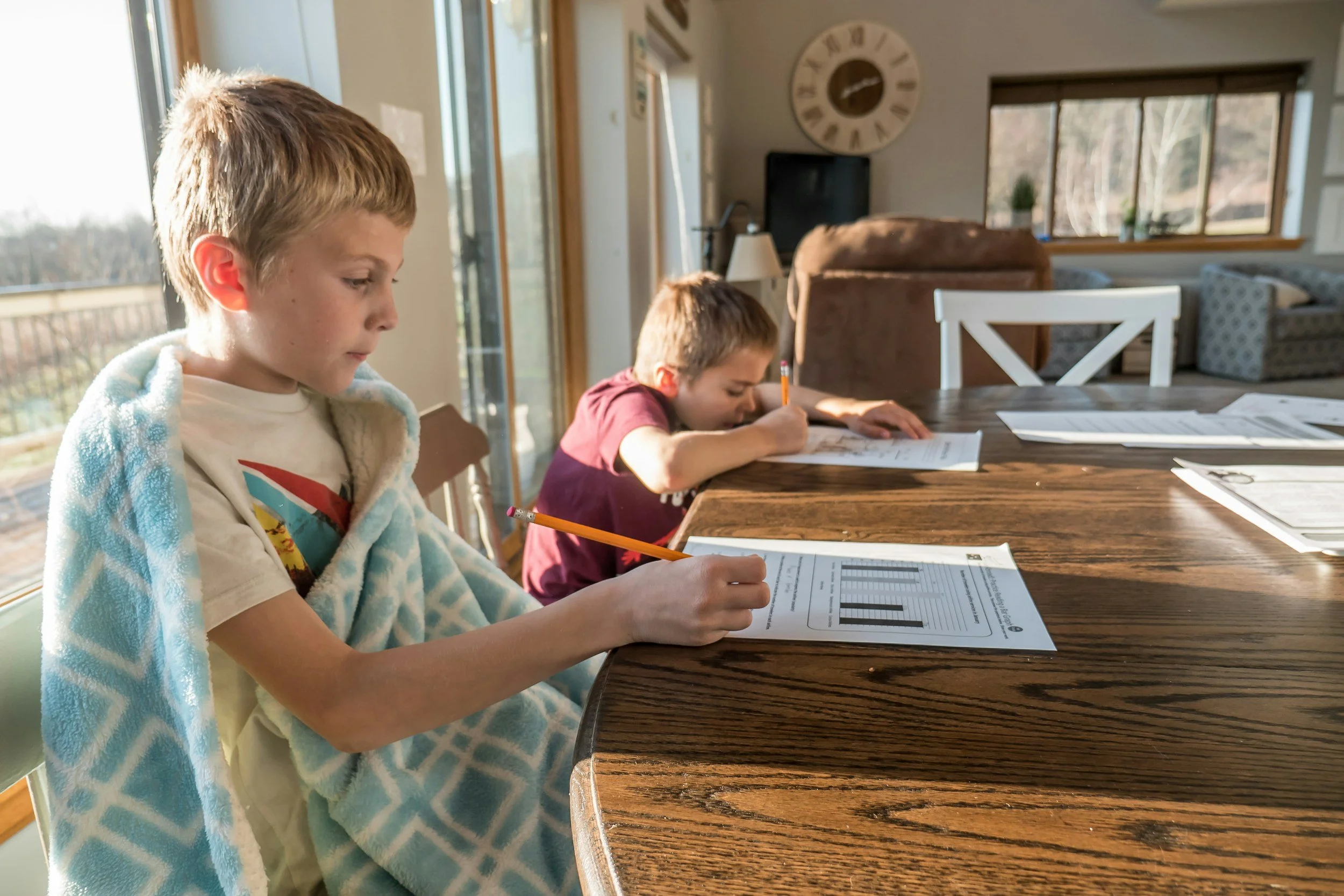
Today, homes are less about rigid definitions and more about possibilities.
A room might serve as an office during the day, a homework station in the afternoon, and a cozy retreat by evening. Dining tables double as workspaces. Patios become extensions of the living room.
Home has become fluid.
Rather than dictating how life should unfold, spaces now adapt to the lives happening within them.
A Place to Recharge
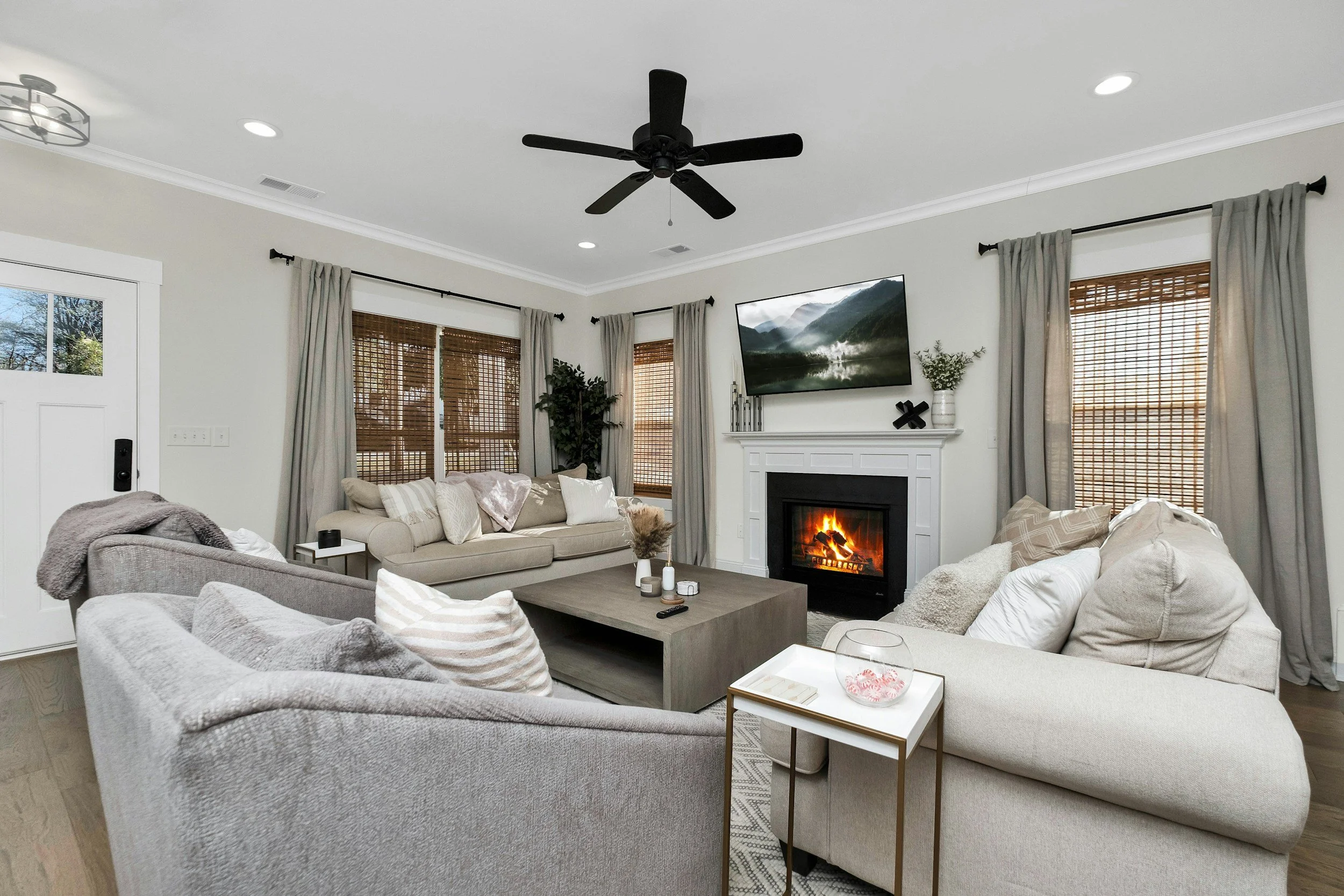
As the world has become faster and more connected, homes have taken on another role: sanctuary.
They are where we unplug from constant noise and reconnect with what matters most—family dinners, quiet mornings, slow weekends, and meaningful moments.
Comfort has become a priority.
Not just visual comfort, but emotional comfort. Spaces that feel calm, welcoming, and deeply personal.
The Rise of Lifestyle Living

Modern homes are no longer simply where we live—they are where we experience life.
Morning coffee in a sunlit kitchen. A movie night in a cozy great room. A quiet moment with a book on the patio. Friends gathered around a long table late into the evening.
Homes today reflect how we want to feel, not just how we want things to look.
They celebrate authenticity, warmth, and connection.
Looking Ahead
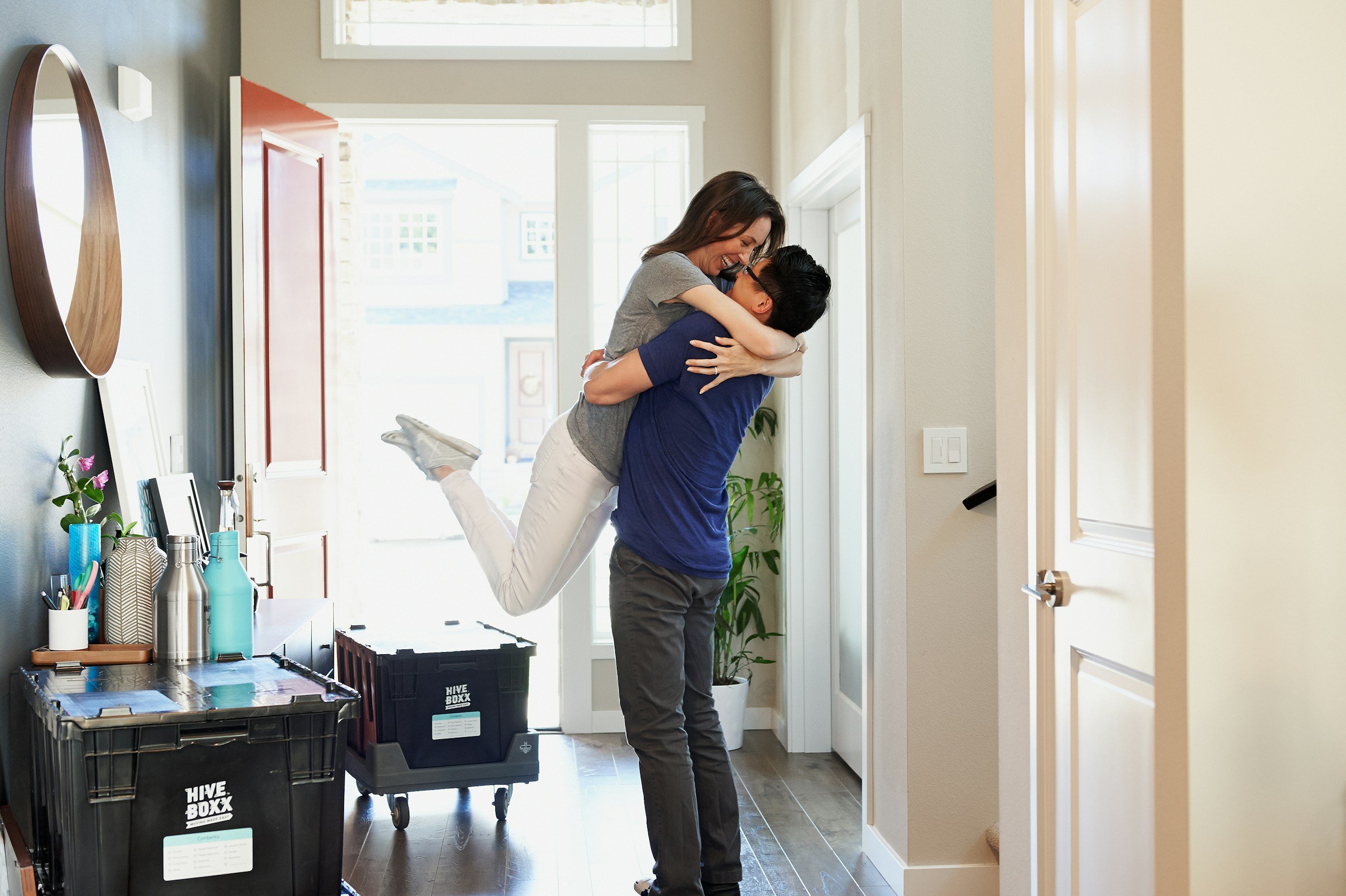
If the evolution of home tells us anything, it’s that the definition will continue to change.
Our lives will keep shifting. New routines will emerge. New traditions will take shape.
But the purpose of home remains constant.
It is where life unfolds.
Not perfectly. Not formally. But beautifully, in all the small everyday moments that make a house truly feel like home.